Merge Zone 2048 turns tile math into a physics shooting puzzle
Merge Zone 2048, from RED MOON TECHNOLOGY, retools the classic 2048 puzzle into a physics-driven shooter. Instead of sliding tiles, the game lets players aim and fire numbered cubes into a 3D zone where collisions trigger chain merges and number growth under a physics engine. It pairs realistic cube collisions, aim-and-shoot mechanics, color-coded visual feedback, progressive crowding, and an endless scoring loop for short sessions. Casual mobile players and 2048 fans get tactile action puzzles suitable for brief sessions and repeated attempts.
The numerical core loop becomes projectile-focused rather than grid-based
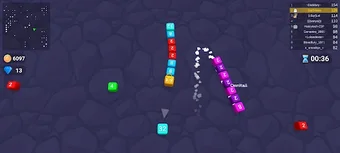
The game replaces sliding tiles with a launch-and-merge cycle: you load a numbered cube, aim from the bottom of the screen, and fire into a shared play zone where identical values combine. The stated win condition remains reaching 2048 and beyond, while sessions end if cubes stack past the fail line. This preserves the original numeric progression while changing turn planning into spatial execution.
Aim-and-shoot mechanics require spatial judgment more than rote counting
Chain reactions matter because well-placed shots can trigger multiple merges in one turn. Progressive difficulty appears as larger numbers and a more crowded zone, so positioning and timing grow important as runs continue. Short rounds make the game suitable for brief plays, and core controls are simple and responsive on touchscreen devices.
Visual and audio cues clarify choices and emphasize impact
Color-coded cubes and satisfying merge animations make potential targets easy to spot, while the 3D physics engine causes cubes to bounce and slide realistically. Players report smooth performance and clear feedback, and the interface adapts to smartphones and tablets running Android 5.0 or higher, helping quick recognition during fast exchanges.
Procedural collisions and short runs drive replay but vary predictability
Endless replayability comes from the procedural nature of physics-based collisions, so sessions rarely repeat the same outcomes. That variance rewards repeated attempts but reduces deterministic planning compared with classic grid play. The crowding mechanic increases tension as numbers grow, creating a rising challenge that suits players who prefer reactive, short-session puzzles.
The game fits casual players who prefer tactile, repeatable puzzle bursts
The game is a lively choice for casual mobile players who enjoy quick, action-oriented puzzle sessions and repeated attempts to beat a high score. It favors those who accept variability from physics-driven outcomes; players seeking fully deterministic, turn-based planning may prefer traditional grid versions. Ultimately, the title suits anyone after short, engaging numeric challenges with a physical twist.
Laws concerning the use of this software vary from country to country. We do not encourage or condone the use of this program if it is in violation of these laws. Softonic may receive a referral fee if you click or buy any of the products featured here.